What Your Eye Doctor Looks for During an Eye Exam
Blog:What Your Eye Doctor Looks for During an Eye Exam
More Than a Vision Check
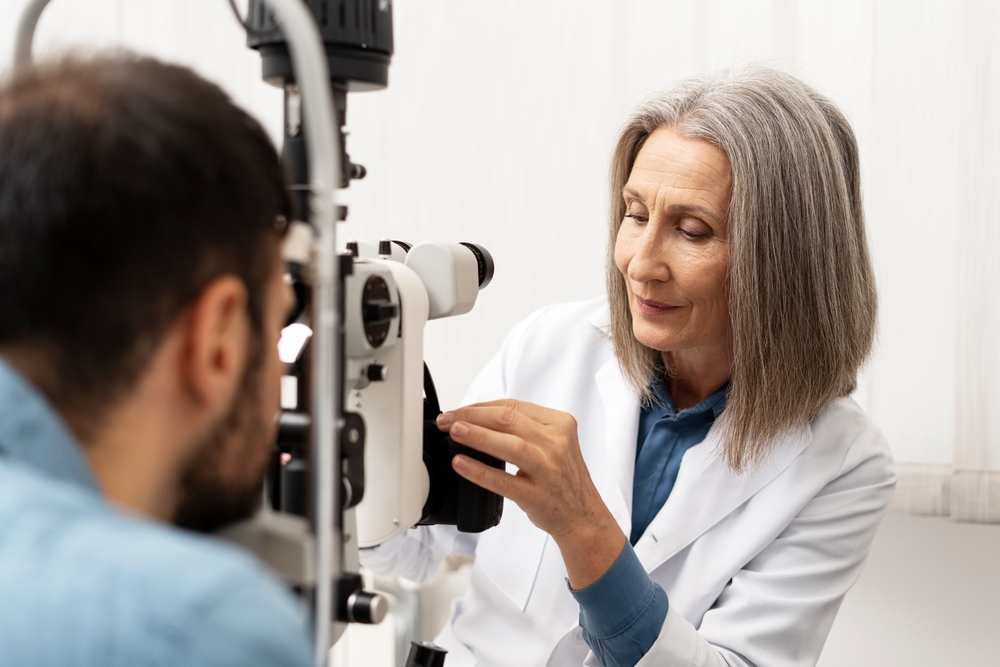
An eye exam is about much more than finding out whether you need glasses or contacts. During a comprehensive eye exam, we evaluate how clearly you see, how well your eyes work together, and whether there are signs of eye disease or other health concerns. Many eye conditions develop slowly, so regular exams give us a chance to detect changes before they begin affecting your daily life.
Your Visual Clarity
One of the first things we look at is visual acuity, which measures how clearly you can see at different distances. If your vision has changed, we may update your prescription for glasses or contact lenses. Even small changes in your prescription can affect reading, driving, computer work, and overall comfort.
We also listen to what you are experiencing day to day. Blurry vision, eye strain, headaches, or trouble seeing at night can all help guide the exam.
Eye Focusing And Teaming
Clear vision depends on more than each eye seeing well on its own. Your eyes also need to focus properly and work together comfortably. During an eye exam, we may check how your eyes move, how they align, and how they respond when switching focus between near and far distances.
These tests can help identify issues that may contribute to eye fatigue, double vision, reading discomfort, or trouble staying focused during close-up tasks.
Signs Of Eye Disease
Many eye diseases do not cause obvious symptoms in the early stages. That is why we carefully examine the internal and external structures of your eyes. We look for signs of conditions such as glaucoma, cataracts, macular degeneration, diabetic eye disease, and dry eye.
A comprehensive eye exam may include checks of the retina, optic nerve, eye pressure, cornea, lens, and overall eye health. These details help us monitor changes over time and recommend care when needed.
How Your Overall Health Can Affect Your Eyes
Your eyes can show signs of health conditions that affect the rest of the body. Diabetes, high blood pressure, autoimmune conditions, certain medications, and family history can all play a role in your eye health. During your visit, we may ask about your medical history because it helps us understand your risk factors and what to watch for during the exam.
When To Schedule An Eye Exam
The right exam schedule depends on your age, vision needs, health history, and risk factors. You should schedule an eye exam sooner if you notice:
- Blurry or fluctuating vision
- Frequent headaches or eye strain
- Trouble seeing at night
- Dry, irritated, or red eyes
- New floaters, flashes, or vision changes
- Difficulty with glasses or contact lenses
Even if your vision seems stable, routine eye exams are an important part of protecting your sight.
Personalized Eye Care In Duluth
At Gwinnett Eye Clinic, we take the time to understand your vision, your eye health, and your daily needs. Whether you are due for a routine eye exam, need an updated prescription, or have concerns about changes in your vision, we are here to help you feel informed and cared for.
To schedule a comprehensive eye exam, contact Gwinnett Eye Clinic in Duluth, GA by calling (470) 279-4900.
Quick Links
Helpful Articles
article_category: products
article_category: psychiatry
article_category: faqs
article_category: cats
article_category: general
article_category: services
article_category: technology
article_category: dogs
article_category: restorative
article_category: vision therapy
article_category: contact lenses
article_category: health
article_category: conditions
article_category: eye surgery co-management
article_category: exotic
article_category: cosmetic
article_category: surgical procedures
article_category: aesthetics
article_category: preventative
article_category: ocular disease management
article_category: eyeglasses
article_category: eye health
article_category: large animal
[]
article_category: psychiatry
article_category: faqs
article_category: cats
article_category: general
article_category: services
article_category: technology
article_category: dogs
article_category: restorative
article_category: vision therapy
article_category: contact lenses
article_category: health
article_category: conditions
article_category: eye surgery co-management
article_category: exotic
article_category: cosmetic
article_category: surgical procedures
article_category: aesthetics
article_category: preventative
article_category: ocular disease management
article_category: eyeglasses
article_category: eye health
article_category: large animal
[]
Flowbite is an open-source library of interactive components built on top of Tailwind CSS including buttons, dropdowns, modals, navbars, and more.
Check out this guide to learn how to get started and start developing websites even faster with components on top of Tailwind CSS.
All Eyecare Services
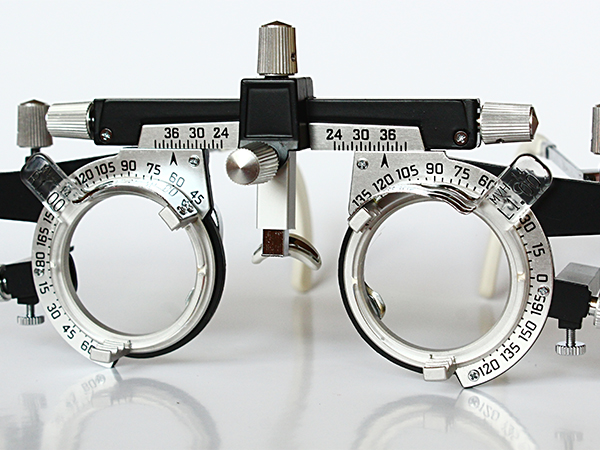
We offer a wide variety of eye care services to the Duluth community. Contact us with any questions about our services.

Keep In Touch
For non-urgent questions or to learn more about our services, contact us today!

Quick Links
Contact Info
Hours of Operation
- Monday 9:00am - 5:00pm
- Tuesday 9:00am - 5:00pm
- Wednesday 9:00am - 5:00pm
- Thursday 9:00am - 5:00pm
- Friday 9:00am - 5:00pm
- Saturday 9:00am - 12:00pm
- Sunday Closed
- Monday
- Tuesday
- Wednesday
- Thursday
- Friday
- Saturday
- Sunday
- Monday
- Tuesday
- Wednesday
- Thursday
- Friday
- Saturday
- Sunday
© 2025 Gwinnett Eye Clinic. All rights Reserved - Accessibility Statement - Privacy Policy - Sitemap
Managed and Designed by 